Finding Flow When You Live With Persistent Pain or Fatigue: Why Hobbies Can Be More Than “Just a Hobby”
We live in a world designed to pull our attention in every direction. For many people, that means feeling distracted or mentally scattered. But for those living with persistent pain or fatigue, the challenge is even greater: the brain is already working overtime managing symptoms, pacing decisions, and sensory overload.
I read an article recently about how hobbies can help us access a “flow state,” that rare experience of being fully absorbed in something meaningful, and what struck me is how relevant this is for the clients we support at Vitality360.
Flow isn’t just enjoyable. It can be restorative.
Why flow matters when your system is already overloaded
Flow reduces activity in part of the brain that’s responsible for self-monitoring, rumination, and the inner critic. For people with persistent pain or fatigue, this internal noise is often amplified by:
constant symptom monitoring
disrupted sleep
sensory sensitivity
reduced cognitive ‘bandwidth’
Flow offers a temporary quietening of that noise. It can create a pocket of mental ease; not by ignoring symptoms, but by giving the brain a different, absorbing focus.
Hobbies can be a therapeutic tool, not a luxury
The research shows that flow emerges when an activity has:
clear goals
a good match between challenge and skill
a sense of control
emotional engagement
For our clients, this could look like:
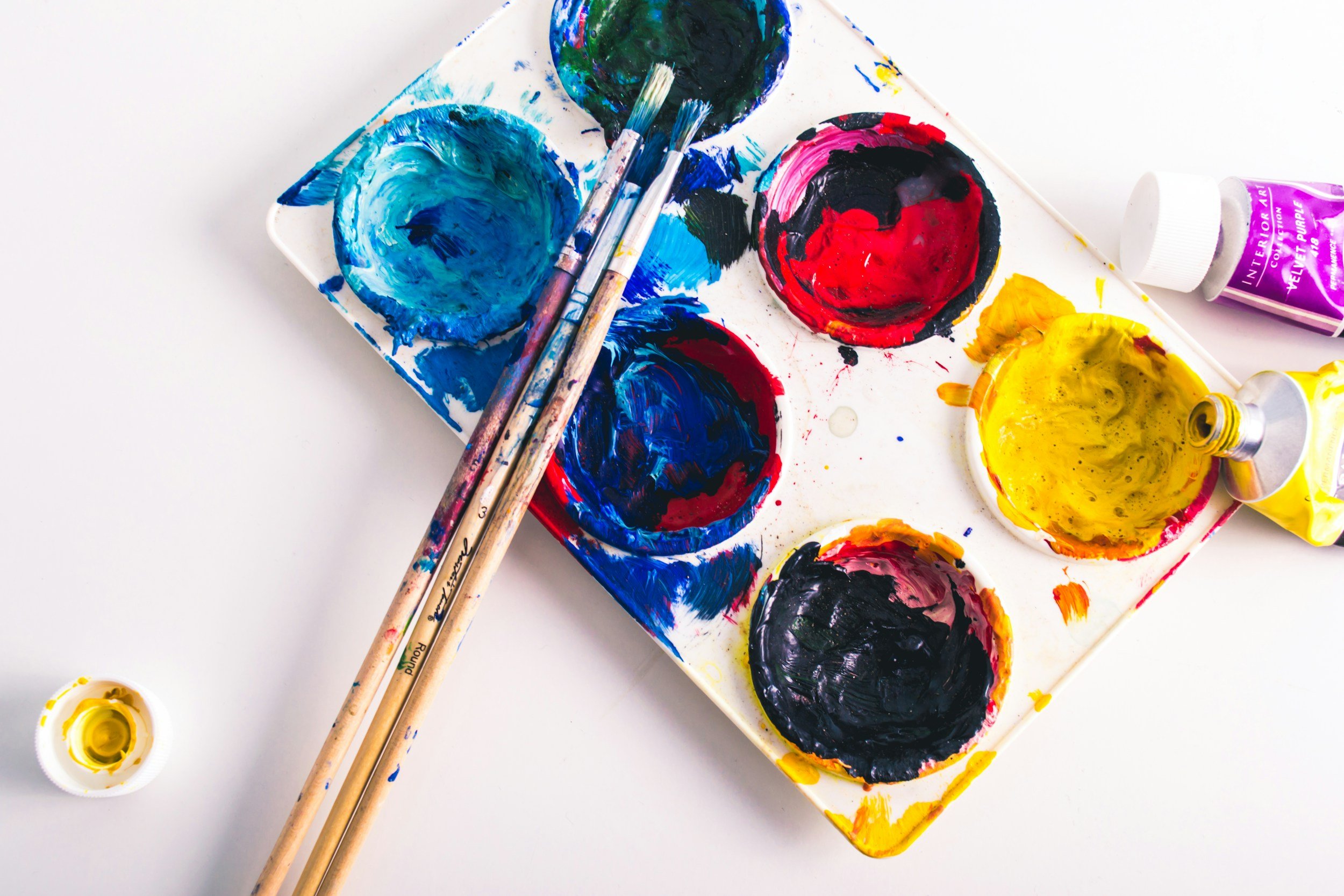
gentle crafting that absorbs attention without being overwhelming
music that provides structure, rhythm and emotional grounding
gardening that offers sensory richness and achievable goals
tabletop games that create social connection without pressure
These aren’t “nice extras”. They’re cognitive regulation strategies.
Flow vs hyperfocus — an important distinction for neurodivergent clients
Flow is described as something that is intentional and controlled, whereas hyperfocus “happens to you”. Many neurodivergent clients experience hyperfocus but struggle to access flow because the conditions aren’t quite right.
With the right blocks in place, predictable routines, manageable challenges, supportive environments, and capacity for deep absorption can become a strength rather than a stressor.
What this means for rehabilitation
In pain and fatigue rehabilitation, hobbies can support:
reduced rumination (less internal noise / ‘chatter’)
improved attention (more efficient allocation of cognitive resources)
emotional regulation (lower anxiety levels and overwhelm)
identity rebuilding (an opportunity to reconnect with joy, competence and meaning)
graded activity (a safe way to practise pacing and energy management)
Flow isn’t about escaping life. It’s about creating moments where the brain can work with you rather than against you.
A gentle invitation
For many clients, starting a hobby feels impossible; too tired, too foggy, too overwhelmed, the timing is never ‘perfect’. But the goal isn’t productivity or mastery. It’s creating small, absorbing moments that can give the nervous system a break.
Sometimes the most therapeutic thing isn’t another strategy or worksheet. It’s ten minutes of stitching. Or a song on the piano. Or planting something small and watching it grow.
These moments matter. They can help people reconnect with themselves and provide a sense of well-being.
Written by Charlie Adler, Specialist Occupational Therapist