Our blog
Read the advice from our experts who work with people who have ME/CFS, Fibromyalgia, Post-Viral Fatigue, Post Covid-19 Syndrome (long Covid) or persistent pain for tips on enabling recovery and supporting wellbeing
Use our search bar to find the content you want or select a topic from the list below
- Activity
- ADHD
- Autism
- BACME
- Book review
- brain injury
- Burnout
- Cognitive fatigue
- Conference
- Covid
- Diet
- education
- Exercise
- Family
- Fatigue
- Fibromyalgia
- Holiday
- Living with
- Long Covid
- ME/CFS
- Mental health
- neuro affirming
- Neurodiverse burnout
- Neurodiversity
- Pain
- Pandemic
- Pleasure
- Post Covid19 syndrome
- Post viral fatigue
- Research
- SAD
- Sex
- sleep
- Stress
- Team
- Work
What does it mean to us to be described as a neuro-affirming business and workplace?
For me, it’s not a corporate buzzword or a box-ticking exercise; it is my daily reality.
Working at Vitality360 with a late diagnosis of Autism and ME/CFS, I have experienced firsthand the profound shift from a world that forces unique minds into standard corporate moulds to one that actively reshapes the environment around them. Whether we are supporting the 32% of our clients who are neurodivergent and battling chronic fatigue or adapting our internal policies, we believe in viewing capability through a whole new lens. Below, I share the core principles of a truly neuro-affirming organisation, grounded in both my professional expertise and my lived experience.

How Woodland Walks Can Ease Anxiety — And Why Small Moments in Nature Matter
Feeling overwhelmed, anxious, or just plain tired? You don’t need to hike a mountain to reset your nervous system.
New research shows that even a single, gentle woodland walk can dramatically lower anxiety and quiet a racing mind. Discover why small, accessible moments in nature are a powerful and adaptable tool for mental well-being, especially if you are living with chronic pain, fatigue, or neurodivergence.
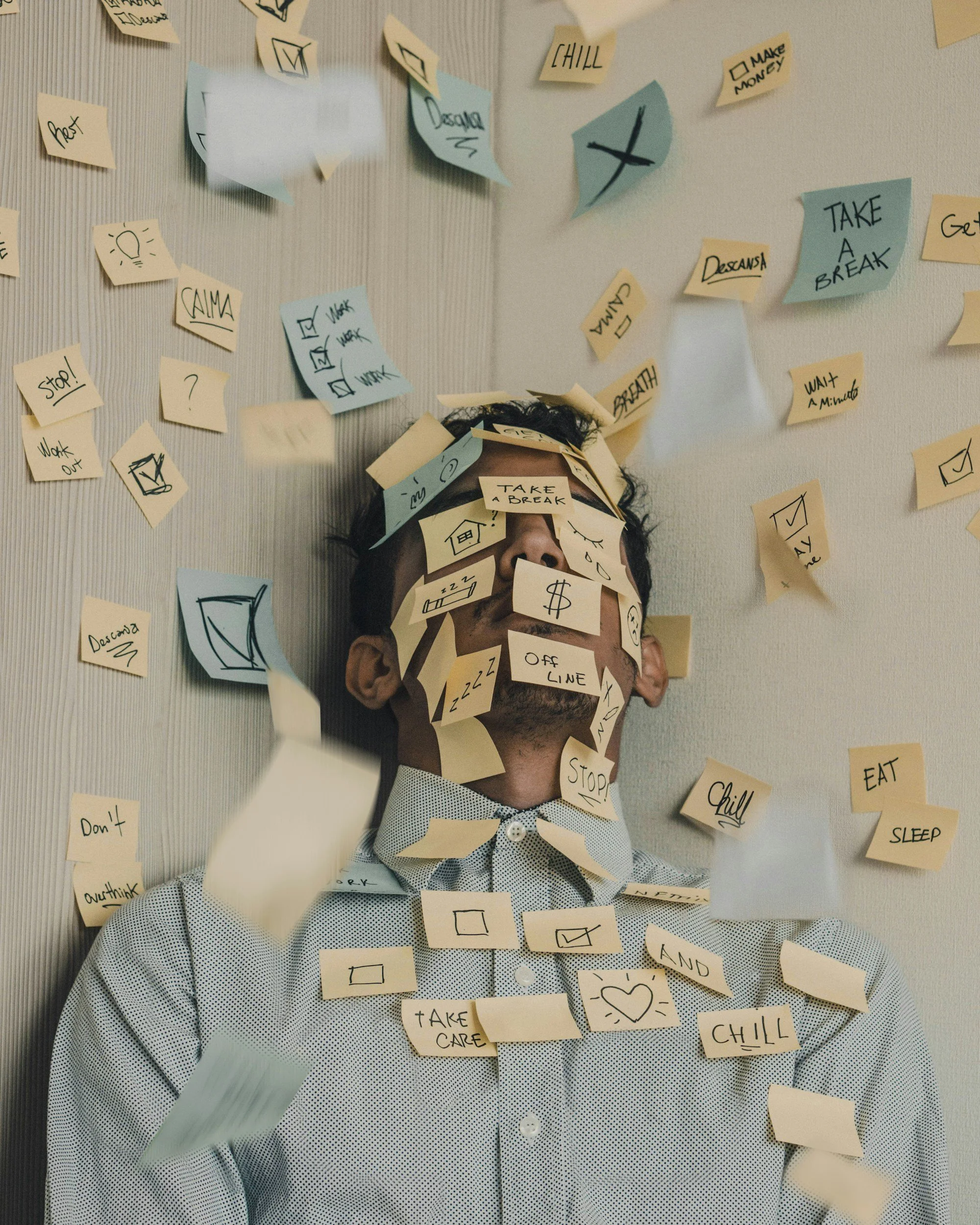
April: Stress awareness month: Understanding the Hidden Impact of Stress on Pain and Fatigue
Why do symptoms of pain and fatigue often flare up "out of nowhere"? The answer usually lies in the invisible accumulation of stress.
While April is Stress Awareness Month, for our clients, managing stress is a year-round necessity for physical wellbeing. From the impact of neurodiversity to the "push-through" culture of the modern workplace, we’re breaking down why your nervous system might be overwhelmed and how a holistic approach can help you rebuild your energy and confidence.

Finding Flow When You Live With Persistent Pain or Fatigue: Why Hobbies Can Be More Than “Just a Hobby”
When you live with persistent pain or chronic fatigue, your world can feel like it’s shrinking.
Between managing symptoms and navigating the "essentials" of daily life, hobbies are often the first thing to be cut—dismissed as non-essential or a "luxury" we don't have the energy for.
But what if a hobby was more than just a way to pass the time?
Moving beyond survival mode: supporting people to live well with fatigue and Autism/ADHD
We are still buzzing from the incredible turnout for our recent webinar series!
As part of the National Autistic Society’s Autism Awareness Month, we welcomed over 150 participants to explore the deep intersection between neurodiversity and fatigue. From discussing the lived experience of a late-in-life Autism diagnosis alongside ME/CFS to training professionals in fatigue management, one thing became clear: we are all looking for better ways to navigate life with persistent symptoms.
The Intersection of Neurodivergence and Chronic Illness
We often talk about Autism in childhood, but what happens when the diagnosis comes decades later? And how does that diagnosis shift when you’re also managing Chronic Fatigue Syndrome (CFS/ME)? In this episode of Chat with Charlie, our colleague shares her lived experience navigating these two invisible realities. We explore how late diagnosis can be a form of grief and liberation at once, and why workplace/life accommodations aren’t just "nice to haves "; they are essential for survival.

Diet and eating in Neurodiversity: Autism and ADHD
Many autistic people and those with ADHD experience eating in ways that don’t fit typical expectations. What’s sometimes seen as “picky eating” often reflects genuine sensory or cognitive differences that can make food challenging. It is important as clinicians working with people with these condtions’s, that we have an understanding about this. In this blog, our Associate Specialist Dietician & Nutrition Consultant shares her thoughts on this area.

Neurodiversity and Fatigue: A Personal Journey from one of our team
What are the similarities and differences with symptoms of autistic burnout and other fatigue conditions that we see?
One of our team members shares her experiences of being autistic and having an ME/CFS diagnosis.

Understanding Fatigue: Mechanisms and Challenges Across Conditions, including Neurodiversity
Our Managing Director shares what she is observing in the case load with fatigue whom we support and asks,
Why do some individuals experience fatigue more severely or persistently than others?
Are there identifiable underlying mechanisms?
What functional and psychosocial challenges arise from chronic fatigue?
How can targeted interventions best support those affected?
Fatigue in ADHD & Autism: What are we noticing and why does it happen?
Here at Vitality360, we have been witnessing an emerging trend with a significant percentage of our client group who come to us as experts in fatigue and pain management are reporting suspected or diagnosed ADHD/Autism. People with ADHD and autism often report significant fatigue, a profound mental and physical exhaustion that isn’t just being “lazy” or tired. This fatigue usually comes from a combination of biological, cognitive, and environmental factors rather than any single cause.
In this blog, we look at key reasons this happens, focusing on shared characteristics as well as those unique to ADHD or autism.

Neurodiversity and Fatigue
What are the similarities and differences with symptoms of autistic burnout and other fatigue conditions that we see?
One of our team members shares her experiences of being autistic and having an ME/CFS diagnosis.
Get Started
Book a free 15-minute chat with us today
If what we offer sounds helpful, we will arrange an assessment
Start a rehabilitation programme that’s designed specifically for you